
Calm, Wise, and Uncommonly Beautiful: The Chrysocolla Story
Born from copper and colored like the sea, Chrysocolla has been treasured since the time of the ancient Egyptians — and its reputation has only deepened with age. Here is what this remarkable stone carries, and why it might be exactly what you have been looking for.
A Stone With Ancient Roots
There are crystals that feel modern, and there are crystals that feel old in the way that rivers feel old — as though they have been moving through the world long enough to know something you don't. Chrysocolla belongs to the second kind.
Ancient Egyptians counted it among their most treasured stones, wearing it as a symbol of protection and working it into the jewelry and decorative objects of their highest courts. They were drawn, as people across cultures and centuries have consistently been drawn, to something in the quality of this stone — its color, its energy, its particular way of making the person who carries it feel steadier and more capable than they did before. That reputation has followed Chrysocolla through history without interruption, which is perhaps the most reliable kind of endorsement any stone can receive.
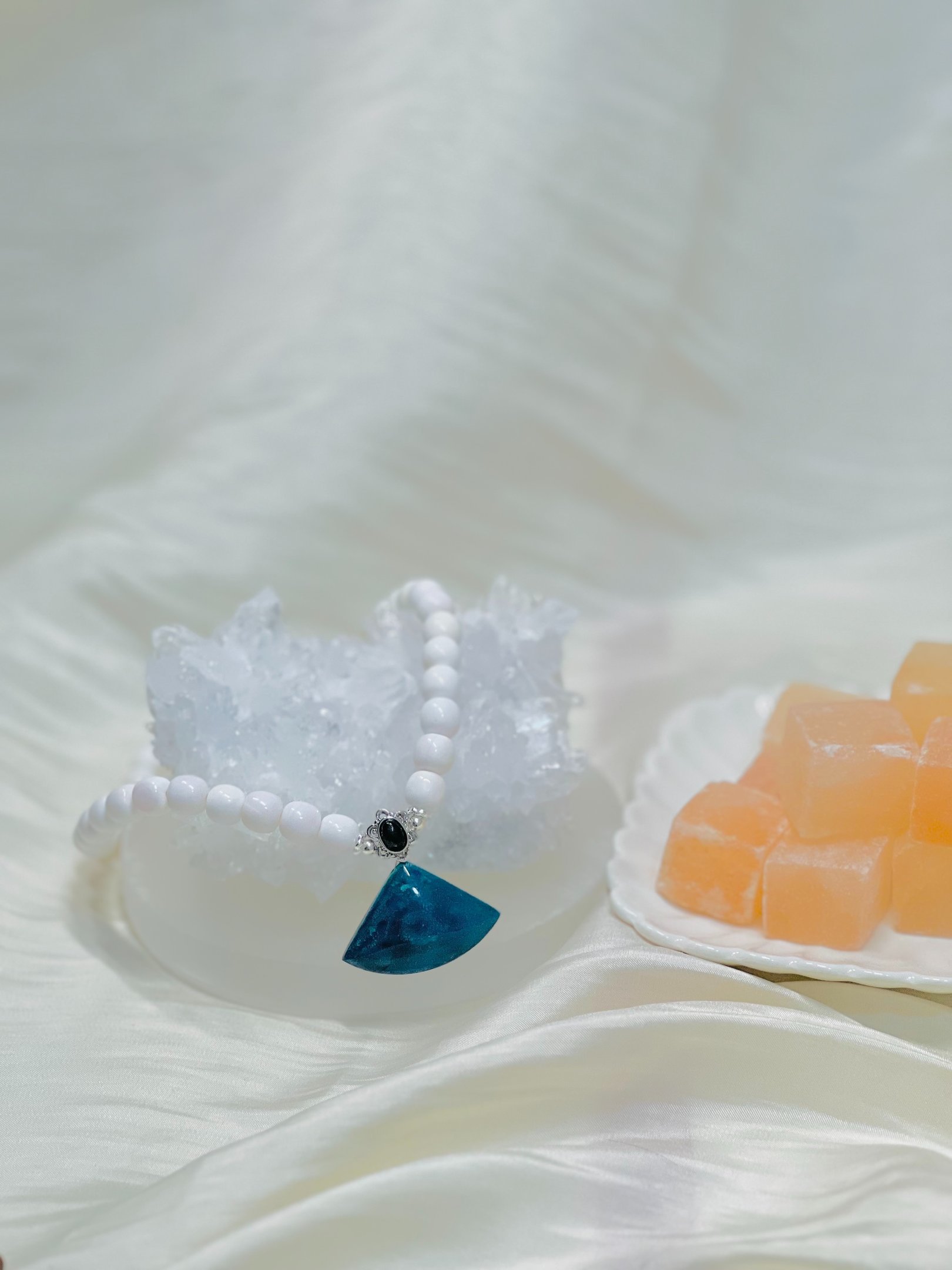
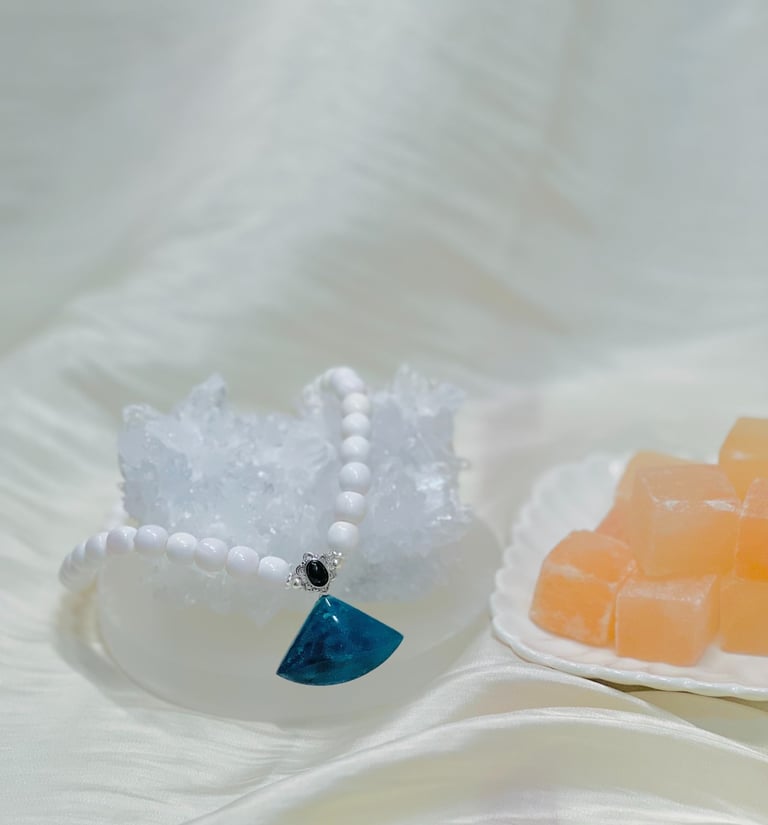
What gives Chrysocolla its extraordinary color is copper — the same mineral responsible for the vivid blues and greens of patinated metal, of shallow Caribbean water, of the particular shade the sky takes on just after rain. Chrysocolla forms in the oxidation zones of copper deposits, which is why its palette ranges from the softest aqua to deep, saturated teal, often moving between the two within a single stone. It carries both the earth and the water in its composition, and both elements are visible in every piece.
Where the Earth Makes It
Chrysocolla does not form everywhere. It requires specific geological conditions — the presence of rich copper deposits and the particular chemistry of oxidation — which means that while it is found on several continents, it is always found in places that have earned it.
In the United States, Arizona is its most celebrated home, particularly the historic Copper Queen mine where some of the finest specimens have been unearthed alongside other secondary copper minerals. New Mexico and Nevada offer their own deposits, each shaped by the specific geological character of the American Southwest. Further south, Chile's Atacama Desert — one of the most extreme environments on earth — produces Chrysocolla of remarkable quality, its formation driven by the arid climate and the way wind and erosion expose the copper deposits beneath the surface. And in Africa, the Democratic Republic of the Congo contributes its own supply, shaped by geological landscapes that produce colors and patterns found nowhere else in the world.
Each origin leaves its mark on the stone. The Chrysocolla from different regions carries subtle variations in color and pattern that reflect the particular conditions of its formation — which means that beyond its metaphysical qualities, every piece of Chrysocolla is also a small record of the specific place on earth that made it.
What It Carries — and What It Gives
Chrysocolla has been called, consistently and across traditions, a stone of communication and wisdom. Those two qualities are more connected than they might first appear. Genuine wisdom, after all, is not simply knowing things — it is knowing how to express what you know, how to say the difficult thing with honesty and care, how to listen as well as speak. Chrysocolla is believed to support all of that. It is associated with the throat chakra, the energetic center of expression, and many who work with it describe a quality of openness it encourages — a willingness to say what needs to be said, and the calm to say it well.
Beyond communication, Chrysocolla carries a deep association with emotional healing. Its connection to water — visible in every wave and current of its patterning — speaks to the quality of fluidity it is believed to foster in the emotional body. Where rigid emotions crack under pressure, fluid ones move through difficulty and emerge on the other side. Chrysocolla is the stone people reach for when they are navigating something hard and want to move through it with grace rather than force.
There is also an empowering quality to Chrysocolla that is easy to overlook in a stone so visually serene. Beneath the calm surface is something that pushes back against self-doubt — that reminds the person wearing it of their own capability, their own strength, their own right to pursue what they want with confidence. It does not shout this. It holds it quietly, the way the most genuinely self-assured people carry their confidence: without needing to announce it.
The Quiet Power of a Stone That Knows How to Listen
What strikes us most about Chrysocolla, having spent time with it and thought carefully about what it offers, is how well it suits the particular challenges of the world most of us are navigating right now. A world that is loud, that rewards reactivity over reflection, that makes genuine communication increasingly rare and increasingly necessary.
Chrysocolla is not a loud stone. It does not demand attention or make dramatic promises. It simply holds its color, carries its history, and offers — quietly and consistently — the qualities that the noise around us most needs: calm, clarity, the courage to speak truthfully, and the wisdom to do so with grace.
That, in the end, is what the finest stones have always done. Not to overwhelm, but to steady. Not to speak for you, but to help you find your own voice.
Follow us on our social channels at:
First order? Use code QUEEN10 for 10% off
Sign up for our newsletter! Get the inside scoop of our new arrivals and pop-up events.
Do you need any assistance? You can contact us at: cs@daintyxuan.com
© 2026 Daintyxuan. All Rights Reserved.